
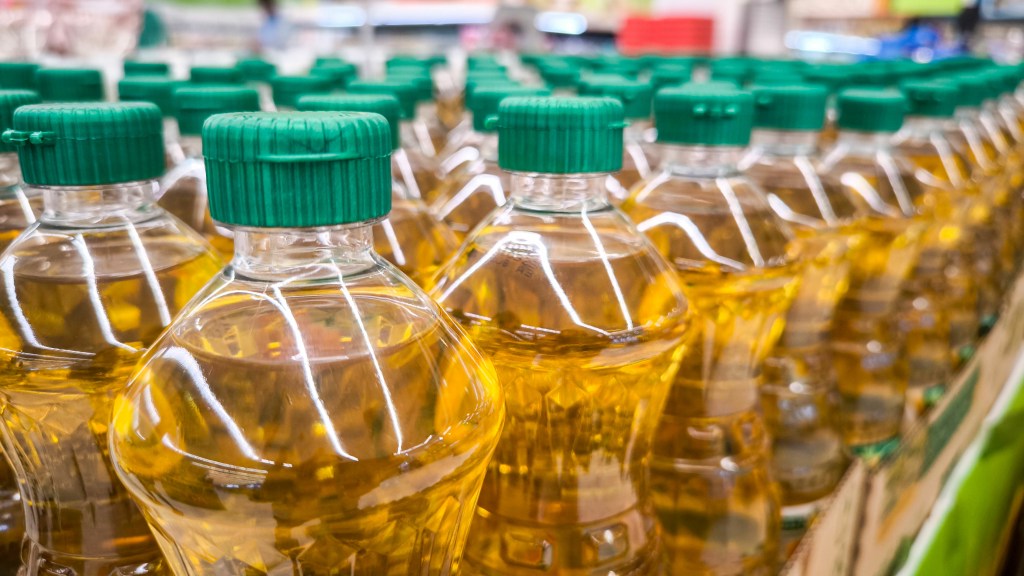
Industrial seed oils have been getting a lot of negative buzz lately. These oils are everywhere from restaurant cooking oils to processed foods—and yes, they’re even found in organic processed foods. If it’s a food item that comes in a package, it likely contains at least one (and sometimes many) industrial seed oils. The tricky part is that the term “industrial seed oils” is commonly used in conversation, but you won’t find it on ingredient labels. This is why it’s important to understand what industrial seed oils really are, why you should avoid them, and how to do so.
What are Industrial Seed Oils?
Industrial seed oils are highly processed oils created from plant seeds. Common seed oils include cottonseed, canola (rapeseed), corn, safflower, sunflower, peanut, and soybean. This includes vegetable oil, which is typically a blend of many seed oils. You may even hear the terms “vegetable oil” and “industrial seed oil” used interchangeably.
The reason seed oils are referred to as “industrial” is because they go through a lot of processing to make them edible, like refining, bleaching, and deodorizing. Some even undergo solvent extraction, which uses petroleum-based chemicals like hexane to extract oil from the seeds. Additionally, seed oils were historically used in industrial applications. For example, unrefined cottonseed oil was used in the late 1800s for painting, lighting, and as a lubricant for machinery. It was Procter and Gamble who chemically altered it in the early 1900s to create Crisco, “the first-ever shortening made entirely of vegetable oil.” Fast forward to the mid-1900s and today, the replacement of animal fats with seed oils is widely accepted.
Why Avoid Them?
If the heavy refining process needed to make seed oils edible doesn’t raise any red flags, consider some key health effects that can come from using these oils regularly:
- Chronic Inflammation: Industrial seed oils have a high omega-6 to omega-3 ratio. Consuming them frequently can create an imbalance, promoting chronic inflammation which is often linked to serious health issues like autoimmune disease and cancer.
- Free Radical Damage: Industrial seed oils are highly prone to oxidation, which leads to the formation of free radicals. Free radicals can contribute to chronic health conditions, including cardiovascular disease.
Furthermore, many seed oils are derived from genetically modified (GMO) crops, such as corn, soybean, canola, and peanut, adding another layer of concern regarding their long-term effects on health.
It’s worth noting that there are differing opinions on the health impacts of seed oils. If you hop over to the American Heart Association (AHA) website, you’ll find canola, corn, safflower, soybean, sunflower, and vegetable oils listed under “Healthy Cooking Oils.” This just speaks to what is the quagmire and potential corruption of our food system, as well as the importance of taking our health into our own hands.
How to Avoid Them?
Aside from not purchasing industrial seed oils and opting for alternatives like olive, coconut, or avocado oil, there are two key areas where you’re likely to encounter seed oils: processed foods and restaurants. With this in mind, limiting your intake of processed foods and reducing the number of meals eaten at restaurants are important steps.
When it comes to processed foods, industrial seed oils are everywhere, even in items you might least expect. This is why it’s important to choose fresh meat and produce over processed foods, essentially shop the perimeter of the grocery store, when possible. If you do purchase processed foods, read the labels—select brands that don’t use seed oils over brands that do.
To help you make more informed choices, here’s a list of processed foods that often contain industrial seed oils. While I could make a much longer list, this serves as an initial guide to show how widespread seed oils are and stress the importance of reading labels carefully, as these oils can appear in unexpected items.
| Processed Food | What you Can do and Alternatives |
|---|---|
| Canned Fish (e.g., tuna, salmon, sardines, etc.) | Opt for the “in Water” version over the “in Oil” version. If you do choose the “in Oil” option, check the ingredients to confirm only olive oil is used. |
| Veggie Burgers | Most brands contain industrial seed oils, and while local or curated brands without seed oils may be available, they can be expensive and hard to find. I recommend making veggie burgers from scratch—they can be made in bulk and stored in the freezer. |
| Ice Cream | Stick to simple ice cream flavors like chocolate, vanilla, and strawberry. More complex flavors with caramel, chocolate pieces, and other fillings typically contain seed oils. |
| Salad Dressing | Skip store-bought salad dressings, as the primary ingredient is usually canola or soybean oil. While curated brands with avocado oil may be available, they can be expensive and hard to find. For a basic DIY dressing, top your salad with olive oil, salt & pepper, and apple cider or balsamic vinegar. |
| Plant-Based Milk | Be mindful of the ingredients in plant-based milks, especially oat milk, which can contain rapeseed oil (also known as canola oil). Look for additive-free products that contain just a few simple ingredients, like nuts, water, and salt. |
| Coffee Creamer | Avoid “Coffee Creamers” in general, as they typically contain seed oils, flavorings, and other additives. Opt for plain milk, cream, or a simple plant-based milk alternative. |
| Gummy Vitamins | Opt for vitamins in good old-fashioned pill form. If you do choose the gummy form, pay special attention to the “other ingredients” section of the label to confirm industrial seed oils aren’t used. |
Just like processed foods, restaurants are also a common source of industrial seed oils. However, seed oil exposure from restaurants can be more challenging to address, as many fast food, quick service (QSR), and traditional restaurants cook with industrial seed oils. The simplest approach is to just limit the number of meals eaten at restaurants. While some groups have begun publishing guides to seed oil-free restaurants, the data is limited and often requires placing trust in third-party recommendations.
Final Thoughts
As you become more aware of industrial seed oils and where they might be hiding, attempting to avoid them may feel overwhelming. However, it’s important to remember that awareness and taking small, actionable steps are key. At least start with reading labels, then you’ll have the information you need to decide what’s best for you. My mindset is all about balance. I recognize that avoiding industrial seed oils entirely can be difficult and unrealistic, so I focus on doing the best I can by preparing most of my meals at home with olive oil, fresh meats, and produce. When eating out, I don’t stress or limit myself—I happily order the French fries, believing that it’s important to enjoy life, and an occasional indulgence won’t hurt in the grand scheme of things.





 Decoding Clean