
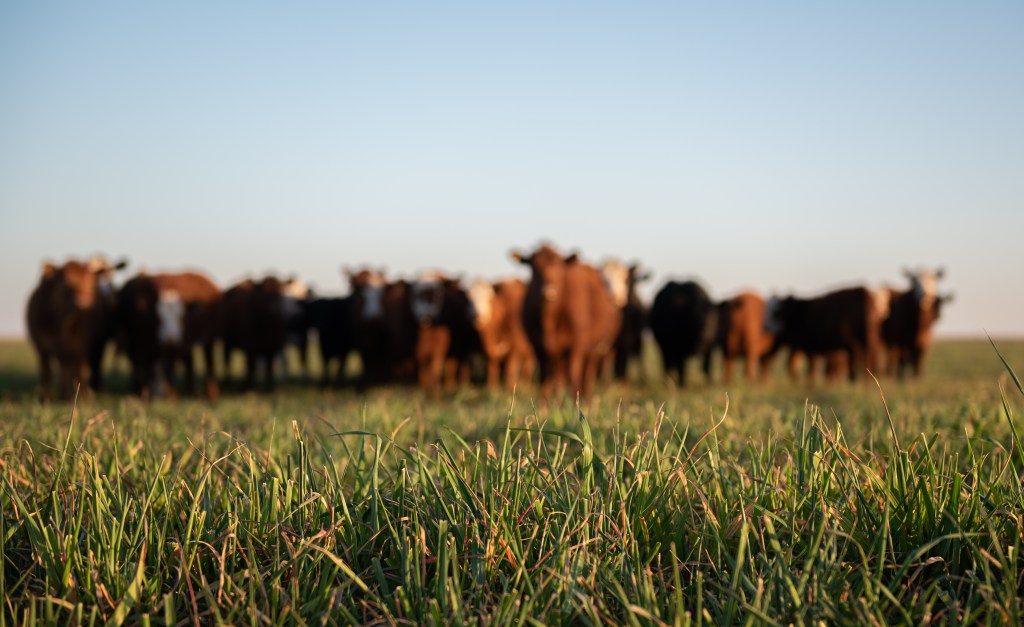
If you’ve ever stood in the meat aisle feeling overwhelmed by labels like “Grass-Fed,” “Grass-Finished,” “Pasture Raised,” and “Organic,” you’re not alone. While grass-fed beef is often considered a healthier option due to its higher omega-3 content compared to conventionally raised, grain-fed beef, understanding what the labels really mean can be a challenge. Not all labels are created equal. Some beef marketed as grass-fed may still be finished on grain. On top of that, terms like “Organic” and “Pasture Raised” can add more confusion. Does organic mean grass-fed? Is pasture raised the same as grass-fed? Sorting through all this to know what’s really the best in terms of nutrition and cost can be difficult.
Understanding Beef Certifications
One of the main challenges when choosing beef is figuring out which labels you can actually trust. Unlike the United States Department of Agriculture (USDA) Organic standard, which is regulated, terms like “Grass-Fed,” “Grass-Finished,” “Pasture Raised,” and “No Antibiotics” don’t have an equivalent USDA certification. The USDA’s Food Safety and Inspection Service (FSIS) oversees meat labeling guidelines to ensure accuracy and prevent misleading claims but doesn’t enforce specific standards. This means that marketing terms might not always be verified by a third-party, and companies can self-certify as long as their claims aren’t misleading.
This lack of mandatory third-party certification creates potential for inconsistency. For added assurance, look for third-party certifications from recognized organizations like the American Grassfed Association (AGA) or A Greener World (AGW). These organizations provide independent verification, offering transparency and higher standards of accountability for claims made by farmers.
Understanding the Labels
While third-party certifications can provide some added assurance on marketing claims, the terms themselves can still be tricky to navigate. To help you make informed choices when shopping for beef, below is a quick breakdown of common terms based on the USDA FSIS guidelines:
| Label | What It Means | What to Watch Out For |
|---|---|---|
| Grass-Fed (100% Grass-Fed) | Animals are fed only grass and forage after weaning, with continuous access to pasture and no grain or grain by-products. | If you see labels like “85% Grass-Fed,” it means the animals had less than 100% access to grass and were partially fed grain. |
| Grass-Finished | Animals are fed grass towards the end of their lives but may have been fed grain at other stages of their lives. | “Grass-Finished” does not guarantee that animals were never fed grain. To ensure the animals were only fed grass, look for “Grass-Fed” or a combination of “Grass-Fed, Grass-Finished.” |
| Organic | Animals are fed only organic feed (no GMOs, synthetic pesticides, or artificial fertilizers) and receive no antibiotics or synthetic hormones. | Organic animals can still be fed grain. For both organic and grass-fed meat, look for a combination of “Grass-Fed” and “Organic” labels. |
| Pasture Raised | Animals spend the majority of their lives on pasture. | There’s no standard definition for pasture raised—the amount of time spent outdoors, or the pasture size can vary. |
| Raised Without Antibiotics | Animals are not given antibiotics in their feed, water, or by injections at any point in their lives. | You may also come across the following synonymous terms: “Raised Without Antibiotics,” “No Antibiotics Administered,” “No Added Antibiotics,” “No Antibiotics Ever,” and “Raised Antibiotic Free.” |
Final Thoughts
Navigating meat labels can be tricky, but understanding the key terms and what they truly mean can help you make more informed choices. The table above offers a quick reference to help clarify common labels, but your choice ultimately depends on what matters most to you—whether it’s ensuring your beef is 100% grass-fed, organic, or free from antibiotics. Here are a few key tips to remember:
- Be Cautious of Buzzwords: Marketing terms like “All-Natural,” “Free-Range,” or “Sustainable” can sound great, but they don’t always provide any real added benefit. While they might look good on the label, they often don’t justify the higher cost, especially if there’s no clear standard behind them.
- Avoid Common Misconceptions: “Grass-Finished” and “Grass-Fed” are not the same. “Grass-Finished” means the animal was fed grass at the end of its life, but not necessarily throughout. Additionally, “Grass-Fed” does not automatically mean organic—so if you’re looking for both, make sure you check for a combination of “100% Grass-Fed, Organic.”
- Look for Third-Party Certification: Certifications from organizations like the AGA or AGW, as well as USDA Organic, provide assurance that marketing claims have been independently verified.
Next time you’re at the store, take a closer look at the labels. Hopefully, this article has provided you with a better understanding of what these terms really mean, so you can feel more confident making an informed decision—without overpaying for marketing jargon.


 Decoding Clean